
For many people working through addiction, willpower alone isn’t enough to manage cravings and withdrawal. Medication-assisted treatment in Greensboro, NC at 1Eleven combines FDA-approved medications with evidence-based therapy. Both approaches address the physical and psychological sides of addiction. MAT is a clinically proven method that gives people a more stable foundation to build on. When medication and therapy work together, the path forward becomes more manageable.
What Is Medically-Assisted Treatment for Addiction?
Medically-assisted treatment for addiction is a whole-person approach that uses FDA-approved medications alongside behavioral therapy to treat substance use disorders. The medications used in MAT work by stabilizing brain chemistry, reducing cravings, and minimizing the physical discomfort of withdrawal. Without that physical stabilization, engaging meaningfully in therapy is difficult for most people. MAT addresses that barrier directly, enabling a focus on the emotional and behavioral work that leads to lasting change.
MAT is not about replacing one substance with another. The medications used are carefully selected, closely monitored, and integrated into a tailored treatment plan. The plan could include individual and group therapy, holistic approaches, and family therapy. Our MAT services in North Carolina are delivered as part of a structured program rather than as a standalone intervention. The goal is always sustained recovery, not just symptom management.
How MAT Works at 1Eleven
At 1Eleven, medication-assisted treatment in North Carolina begins with a thorough assessment covering substance use history, medical background, and any co-occurring mental health conditions. Our clinical team works with each person to determine whether MAT is appropriate. If so, we review which medications make the most sense given their situation. The plan is built around the individual. Regular check-ins ensure the medication continues to support recovery as treatment progresses.
Behavioral therapies are incorporated alongside MAT. The underlying factors that drive substance use must be addressed as well. For many people, having both medical stability and consistent therapeutic support in the same program is what finally makes progress feel possible. 1Eleven does not offer on-site detox, so we work with trusted detox providers to coordinate referrals for those who need medical detox before starting MAT. Our team manages the transition to make sure there are no gaps between detox and the start of structured programming.
Medications Used in Our MAT Services in North Carolina
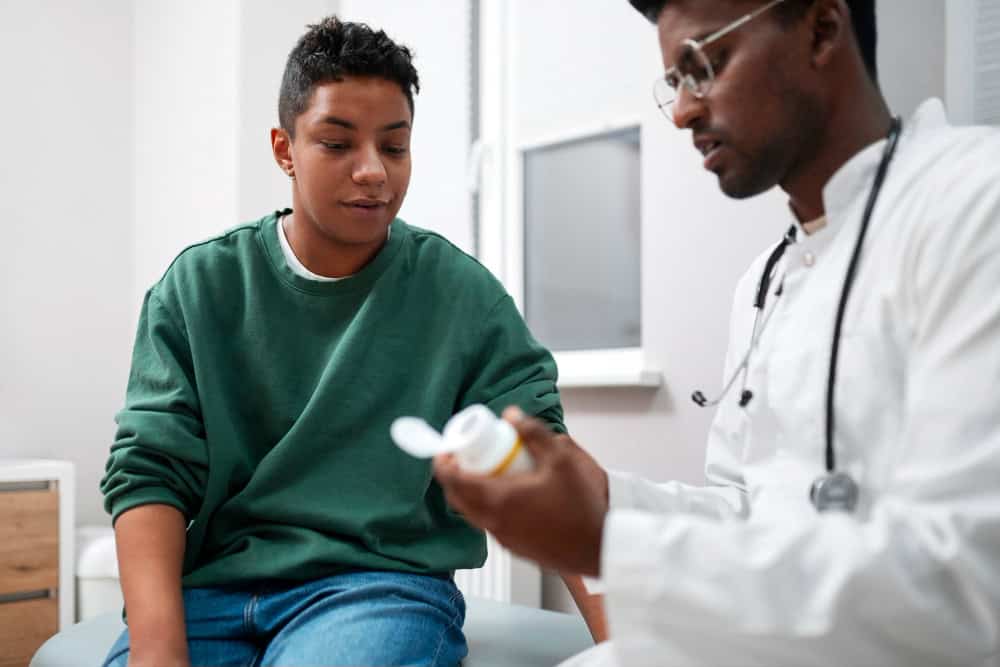
The medications for substance use disorders used in MAT are FDA-approved, evidence-based, and selected based on each person’s substance use history and medical needs. One option is Buprenorphine. It is available in formulations like Suboxone and Subutex, which are commonly used to treat opioid use disorder. It binds to opioid receptors in the brain without producing a significant high, which reduces cravings and eases withdrawal symptoms. Suboxone combines buprenorphine with naloxone to further reduce the risk of misuse.
Methadone takes a different approach. As a long-acting opioid agonist, it works by smoothing out the highs and lows that make unmanaged withdrawal so difficult, stabilizing brain chemistry over time. It is typically dispensed through licensed opioid treatment programs and requires consistent monitoring throughout its use. Naltrexone works differently from both buprenorphine and methadone, blocking opioid receptors entirely rather than activating them, which prevents opioids and alcohol from producing their intended effects. Vivitrol, the extended-release injectable form of naltrexone, delivers that same blocking effect for approximately 30 days, making it a practical option for those who prefer less frequent dosing.
For alcohol use disorder, oral naltrexone reduces the reinforcing effects of drinking, which over time tends to weaken the drive to consume alcohol at all. Acamprosate works differently, helping restore the chemical balance in the brain that long-term alcohol use disrupts and easing the discomfort of post-acute withdrawal. Every medication at 1Eleven is selected with the person’s full picture in mind, and dosing gets adjusted as progress unfolds. None of these medications is used in isolation. Each one is part of a coordinated program that includes therapy, monitoring, and ongoing support.
Who Benefits From Medication-Assisted Treatment at 1Eleven?
MAT is effective for a wide range of people managing substance use disorders, though it is not appropriate for everyone. At 1Eleven, our team assesses each person individually to determine whether MAT fits their clinical picture and how it integrates into the broader treatment plan. For those with opioid use disorder, MAT provides the physical stability needed to engage in therapy and begin building a life without opioids, since withdrawal from opioids is physically demanding in ways that make early recovery particularly difficult without medical support.
People managing alcohol use disorder also benefit significantly from MAT. Alcohol withdrawal can be medically dangerous, and the psychological pull of alcohol often persists well beyond physical detox. Medications like naltrexone and acamprosate reduce cravings and help people maintain sobriety during the most vulnerable stages of early recovery. For those with co-occurring mental health conditions, MAT works best when psychiatric support is built into the same program, which is exactly how 1Eleven approaches it.
MAT is also a strong option for those stepping down from medical detox, since starting medication support shortly after detox reduces the risk of relapse during the most vulnerable period of early sobriety. For people who have relapsed after previous treatment attempts, MAT offers an additional layer of support that other approaches may not have included. Relapse does not mean treatment has failed. It often means the level of support needs to be adjusted. Adding MAT to an otherwise solid treatment plan can be the factor that shifts outcomes meaningfully.
The Benefits of Medication-Assisted Treatment in North Carolina
MAT does more than stabilize the body. Reducing cravings changes what is possible in therapy. People engage differently when they aren’t stressed and still have lingering withdrawal symptoms. Regular attendance and commitment to recovery increase. Relapses become less frequent. Additionally, mental health tends to improve alongside sobriety. When cravings are manageable, relationships, work, and daily routines start to feel within reach again.
At 1Eleven, MAT is delivered as part of a broader program that addresses the whole person rather than just the physical symptoms of addiction. Medication is one part of a larger picture that includes therapy, psychiatric support, and consistent monitoring. Research backs MAT as one of the most effective approaches for opioid and alcohol use disorders. That evidence matters, but so does the experience of someone who has tried other approaches without lasting success. For those who haven’t been able to gain traction, MAT often provides the missing piece.