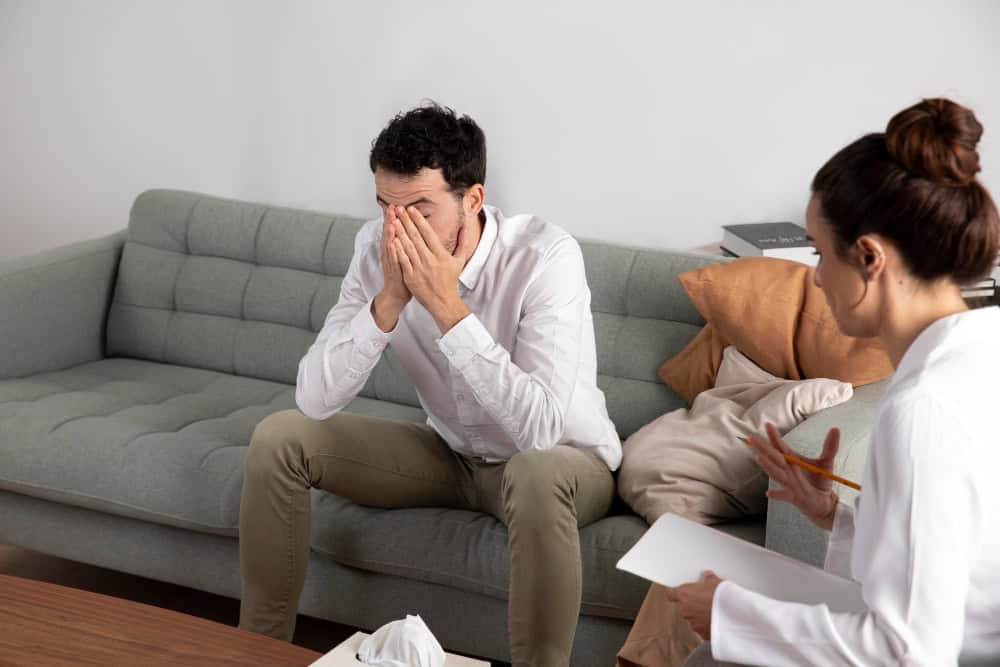
Yes, weed can make you sad, and the low you felt after a high is real. It can show up during the high, the next morning, or for a week or two after you stop. Heavy, frequent use is also linked with depression. The connection runs both ways, since some adults use weed to cope with a low mood it then deepens. Whether you’re asking for yourself or for someone in your family, you’re welcome here.
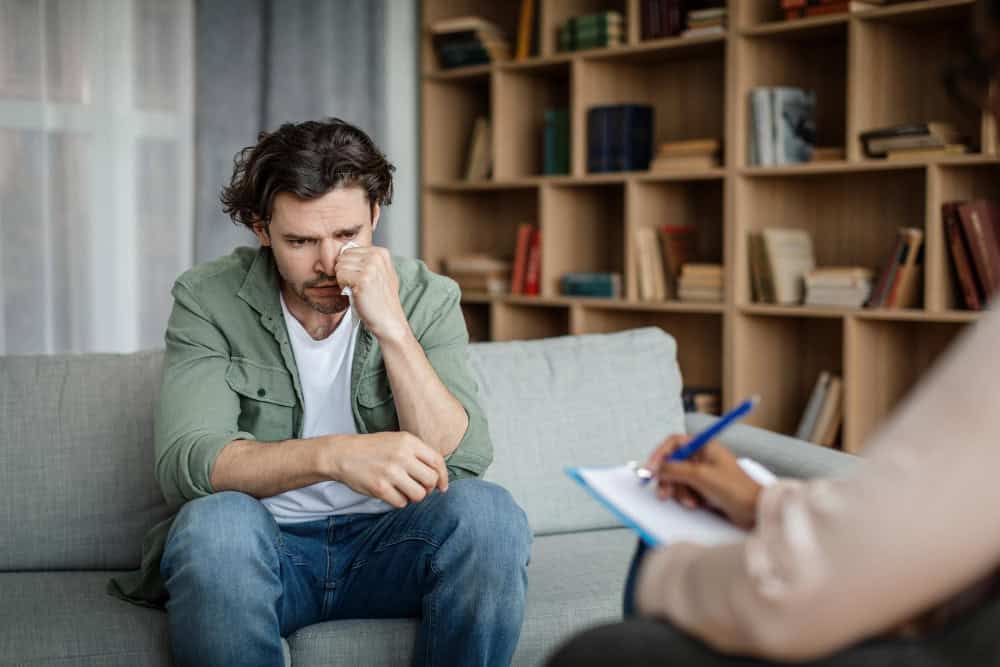
Why Do I Feel Sad After Smoking Weed?
THC, the part of cannabis behind the high, works on a network in your brain called the endocannabinoid system. Your body already uses it to help steady mood, sleep, appetite, and stress. THC latches onto the same receptors, called CB1 receptors. It pushes them far harder than your own chemistry does. The overload is why your mood can swing up or down while THC is active.
During the High
A high floods your brain’s reward system with dopamine, which is where the good feeling comes from. At bigger doses, that lift can turn unpleasant fast. Anxiety, paranoia, or a teary, sinking feeling may show up mid-high. Your starting mood matters, since THC can magnify it. Smoking alone in your car after a stressful shift adds THC to a mood already running low.
The Next-Day Comedown
You might wake up foggy and flat. Your coffee goes cold, and the workout you planned doesn’t happen. Part of the grogginess comes from THC cutting into dream sleep, and part comes from your brain readjusting as the drug wears off. Today’s higher-THC products, including vapes, edibles, and delta-8, can make these effects stronger. Edibles kick in slowly and last longer than smoking, so a late-night edible can still be working when your alarm goes off.
Can Quitting Weed Cause Depression?
Stopping after months of daily use brings on marijuana withdrawal symptoms for many people, and low mood is one of the most common. Irritability and disrupted sleep often come with it. Heavier, longer use usually means stronger symptoms. Most of them peak early and fade within a couple of weeks.
A dip during withdrawal doesn’t automatically mean you have depression. Mood often lifts once sleep settles down. If you quit a month ago and still dread getting out of bed most days, that heaviness points to more than withdrawal. Cravings can outlast the low mood, so a hard day in week three doesn’t erase your progress.
Does Weed Cause Depression? The Two-Way Connection
A 2026 meta-analysis in the Journal of Psychiatric Research pooled 55 studies covering more than 3.2 million people. Its clearest finding about marijuana and depression is how frequently they overlap. About one in five people with cannabis use disorder also had current major depression. Among psychiatric patients with major depression, 28% met the criteria for cannabis use disorder.
Researchers can’t yet say how often weed causes depression on its own, since stress, trauma, and genetics raise the risk of both. Heavy use dulls your interest in things you used to enjoy, and that flatness looks a lot like depression. Some smoke just to get through a bad evening. The relief wears off by morning, and many people end up smoking earlier the next day to get it back.
Does Weed Cause Depression and Anxiety?
Anxiety gets pulled into the same cycle between anxiety and substance use seen with alcohol and other drugs. Weed can cause depression and anxiety to rise together, especially during stretches of heavy use. Using weed to calm nerves before a party or a meeting can make those nerves harder to face sober. Anxiety is also a common withdrawal symptom, so it can spike again in the first days after quitting.
Signs Your Sadness May Point to Depression
Weed can make you sad for a day or two after a big weekend, and that kind of low passes. Depression lasts longer and doesn’t lift once the weed wears off. Pay closest attention to the days you haven’t used at all. Doctors look for five or more common symptoms of depression lasting at least two weeks, including:
- Low mood or emptiness most of the day, nearly every day
- Losing interest in friends or plans you once enjoyed
- Sleeping much more or much less than usual
- Feeling worthless or hopeless
- Thoughts of death or of not wanting to be here
Reading a list online can’t diagnose depression. A licensed therapist or doctor can sort out whether your mood comes from weed and withdrawal or from depression itself. Jot down your low days and whether you used the night before. Bring those notes to the appointment. If you’re having thoughts of ending your life, call or text 988 to reach the Suicide and Crisis Lifeline any time.
How Marijuana Use and Depression Are Treated Together
Treating marijuana and depression one at a time often means one keeps undoing progress on the other. Dual diagnosis treatment addresses both conditions together, with the same team. Therapy for depression alone can miss how much of your week gets planned around getting high. Cutting back on weed without mood care can leave you facing a low with nothing to fill the evenings.
In sessions, you learn to catch the thought right before reaching for a vape, like “I can’t get through tonight without it.” Then you test whether it’s true. Group sessions give you a place to practice with others who are cutting back too. Between sessions, you might track which hours the urge peaks and plan something else for that window. Psychiatrist Aaron Beck built cognitive-behavioral therapy around this skill in the 1960s while studying depression.
Can Weed Make You Sad? Find Steady Footing Today
If you’ve noticed weed can make you sad more days than not, that pattern is worth a real conversation. At 1Eleven Behavioral Health, we treat marijuana use and depression together through our partial hospitalization and intensive outpatient programs in Greensboro. Adults anywhere in North Carolina can join the same programs virtually, and your first assessment can happen in person or by video. You help build your plan around your history and your work schedule. Speak with one of our admissions coordinators today, and start by telling them what a normal week looks like for you.